
Can You Install Sod in July in Eau Claire WI?
- Gwyneth Diogracias
- Jul 15
- 5 min read

Many homeowners assume they have missed the ideal window for installing a new lawn once summer arrives. While spring and early fall are generally considered the best seasons for sod installation, that doesn't mean July is off the table. In fact, with proper preparation and consistent watering, installing sod during July can produce excellent results.
If you're wondering, can you install sod in July in Eau Claire WI?, the short answer is yes—but success depends on careful planning and ongoing maintenance. Wisconsin summers can bring warm temperatures, occasional drought conditions, and heavy thunderstorms, all of which influence how new sod establishes.
This guide explains what homeowners should expect when installing sod in July, how to care for it during hot weather, typical project costs, and why hiring an experienced contractor can improve long-term results.
Can You Install Sod in July in Eau Claire WI?
Yes. Professional landscapers install sod throughout the summer, including July. While hotter weather increases the amount of care required, sod can establish successfully when installed on properly prepared soil and watered consistently.
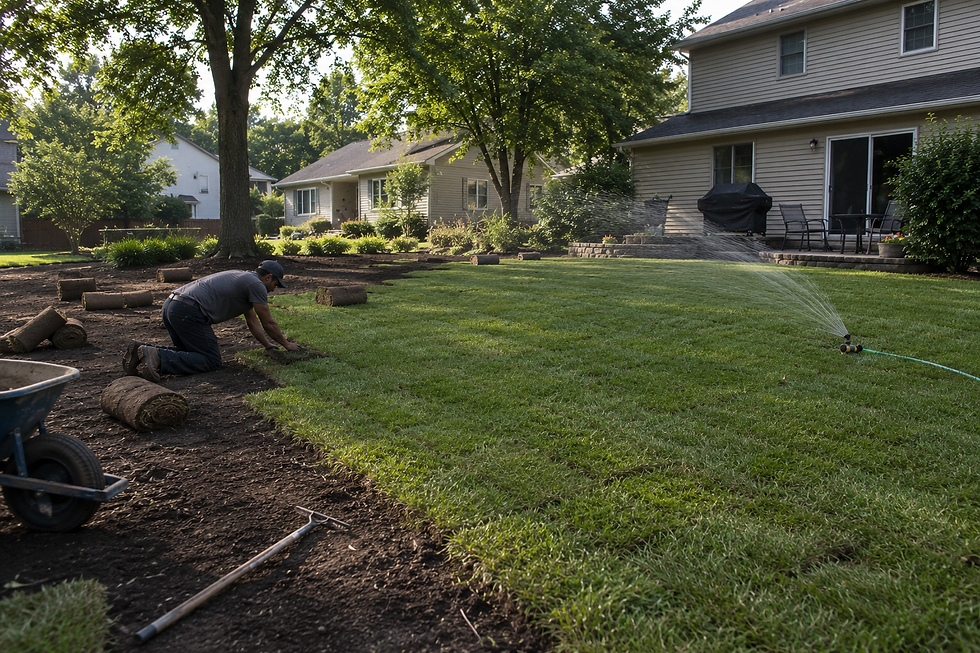
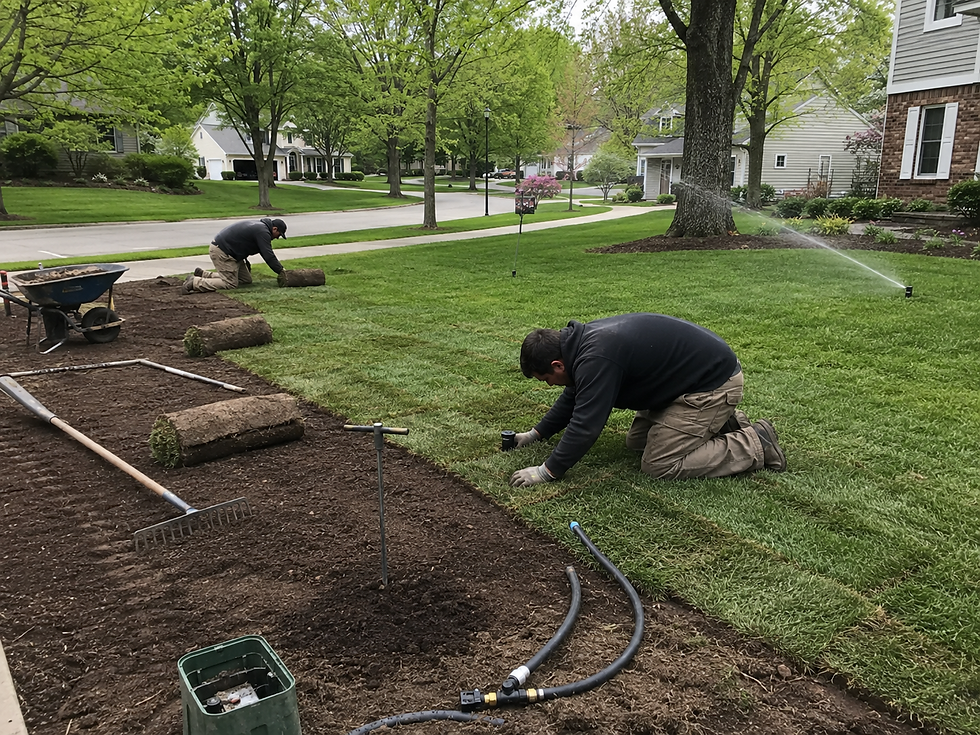
Unlike grass seed, sod provides an instant lawn that helps reduce erosion, suppress weeds, and create usable outdoor space much sooner. During July, however, the roots have not yet grown into the underlying soil, making regular irrigation essential.
The biggest challenges are preventing the sod from drying out and ensuring the soil remains evenly moist until the roots become established.
Why July Sod Installation Can Still Be Successful
Although July temperatures are warmer than spring or fall, several advantages make summer sod installation worthwhile.
Immediate Lawn Coverage
Fresh sod instantly transforms bare soil into a green lawn, improving curb appeal and reducing dust and erosion.
Faster Root Activity
Warm soil temperatures encourage root development as long as adequate moisture is available.
Longer Growing Days
Extended daylight hours promote healthy growth and help sod establish before cooler weather arrives.
Ideal for Summer Projects
Many homeowners complete landscaping projects during summer, making July the perfect time to install sod after:
New home construction
Patio installation
Retaining wall construction
Drainage improvements
Pool installation
Landscape renovations
Tree removal
Challenges of Installing Sod in July
Summer installation requires more attention than spring or fall.
Heat Stress
Hot afternoons increase evaporation, causing sod to dry quickly if watering is inconsistent.
Moisture Loss
Wind and sunshine can remove moisture from both the soil and grass blades throughout the day.
Heavy Thunderstorms
Eau Claire occasionally experiences intense summer storms that may wash soil away if grading and drainage are poor.
Increased Water Requirements
New sod typically needs multiple watering cycles each day during the first several weeks.
These challenges are manageable when homeowners follow proper watering and maintenance recommendations.
Preparing the Site Before Installation
Proper preparation is just as important as watering.
Professional contractors typically:
Remove existing grass and weeds
Grade the yard for proper drainage
Remove rocks and debris
Add quality topsoil if necessary
Loosen compacted soil
Install final grading
Apply starter fertilizer
Roll the sod for proper soil contact
Poor soil preparation often causes more long-term problems than summer temperatures themselves.
Watering Schedule for July Sod Installation
Water management determines whether July sod succeeds.
Days 1–14
Keep both the sod and the soil beneath consistently moist.
Most lawns require:
Early morning watering
Midday watering during hot weather
Late afternoon watering if necessary
The goal is damp soil—not standing water.
Weeks 3–4
As roots begin developing:
Reduce watering frequency
Increase watering depth
Encourage deeper root growth
After One Month
Transition toward normal lawn watering with fewer but deeper irrigation cycles.
Always adjust watering based on rainfall, temperature, and soil conditions.
Signs Your New Sod Needs More Water
Watch for early warning signs of moisture stress.
Common symptoms include:
Curling grass blades
Blue-gray grass color
Dry seams between sod rolls
Visible shrinking
Footprints remaining in the lawn
Dry soil beneath sod edges
Addressing these issues quickly can prevent permanent damage.
When to Mow July-Installed Sod
Do not mow immediately after installation.
Wait until:
Grass reaches approximately 3½ to 4 inches
The sod is firmly rooted
The mower does not pull up sod pieces
Use a sharp mower blade and avoid removing more than one-third of the grass height during the first mowing.
Fertilizing Summer Sod
Starter fertilizer applied during installation supports root growth.
Additional fertilizer is often applied:
Four to six weeks after installation
According to soil conditions
Based on grass variety
Over-fertilizing during extreme heat should be avoided because it can stress young turf.
Best Grass Types for Eau Claire
Several cool-season grasses perform well throughout western Wisconsin.
Popular choices include:
Kentucky Bluegrass
Dense appearance
Excellent durability
Attractive dark green color
Strong recovery from wear
Fine Fescue
Performs well in partial shade
Lower maintenance
Good drought tolerance
Blended Sod
Many professional installations combine multiple grass species to improve drought resistance, disease tolerance, and seasonal performance.
Eau Claire Climate Considerations
Western Wisconsin weather directly affects sod establishment.
Warm July Temperatures
Average highs often reach the upper 70s to low 80s, with occasional hotter periods requiring more frequent watering.
Summer Rainfall
Thunderstorms can reduce irrigation needs but should not replace a consistent watering schedule.
Clay Soil
Many Eau Claire properties contain clay-heavy soils that retain moisture but may require grading or soil amendments for proper drainage.
Winter Preparation
Sod installed in July generally has enough time to establish before Wisconsin's first hard freeze if maintained properly.
Typical Sod Installation Costs in Eau Claire WI
Costs depend on yard size, grading requirements, soil preparation, accessibility, and grass variety.
Typical pricing includes:
Sod installation: $1.00–$3.00 per square foot
Sod with grading and soil preparation: $2.00–$4.50 per square foot
Lawn removal before installation: $0.50–$1.50 per square foot
Topsoil installation: $40–$80 per cubic yard
Lawn grading: $900–$3,500+
Complete lawn replacement: $5,000–$20,000+
A professional estimate ensures all necessary preparation and restoration work is included before installation begins.
Common Homeowner Concerns
Will July heat kill new sod?
Not if it receives consistent watering and proper care during the establishment period.
Should I wait until fall?
Fall is an excellent time for sod, but homeowners who need an immediate lawn for new construction or landscape renovations do not have to postpone their project until September.
Can heavy rain damage new sod?
Proper grading and installation minimize washout. Excessive runoff can occasionally shift newly installed pieces on steep slopes.
Is automatic irrigation required?
No, but sprinkler systems make maintaining consistent moisture much easier during July.
Frequently Asked Questions
1. Can you install sod in July in Eau Claire WI?
Yes. Professional installation combined with proper watering allows sod to establish successfully during July.
2. How often should I water new sod in July?
Most lawns require two to three light watering cycles daily during the first two weeks, depending on weather conditions.
3. Is July worse than spring for sod installation?
July requires more maintenance, but professional installation and proper care can still produce excellent results.
4. How long does July sod take to root?
Most sod begins rooting within two to three weeks and becomes more established over the following month.
5. Can I walk on new sod?
Avoid foot traffic until the sod has rooted firmly into the soil.
6. What grass works best in Eau Claire?
Kentucky bluegrass, fine fescue, and blended cool-season turf mixes all perform well in the region.
7. Will new sod survive Wisconsin winter?
Yes. Sod installed in July has ample time to establish before winter arrives when properly maintained.
8. Should I fertilize immediately after installation?
Starter fertilizer is typically applied during installation, with additional fertilizer several weeks later if needed.
Get Professional Sod Installation in Eau Claire WI
Installing sod in July is entirely possible when the project is planned correctly and supported with proper watering and soil preparation. Whether you're replacing an old lawn, finishing a new construction project, or upgrading your landscape, our experienced Eau Claire sod installation team can help you achieve a healthy, beautiful lawn that thrives throughout Wisconsin's seasons. Contact us today for a free estimate and expert guidance on your sod installation project.


Comments